
Skin Health
Better skin. Clinical grade.
Skin quality is a reflection of internal biology. We assess the hormonal, nutritional, and systemic factors driving skin ageing, then build a protocol around your actual markers.
- Hormonal and nutritional skin panel
- AHPRA-registered doctors
- Clinically assessed, personalised protocols
AHPRA Registered · TGA Compliant · 100% Online

70%
of skin ageing is driven by controllable biological factors

The biology behind skin quality.
1%
Collagen lost per year after age 25
Collagen loss is hormonally driven. Testosterone, growth factors, and nutritional status all influence the rate of collagen synthesis and degradation.
10+
Skin-relevant markers in our panel
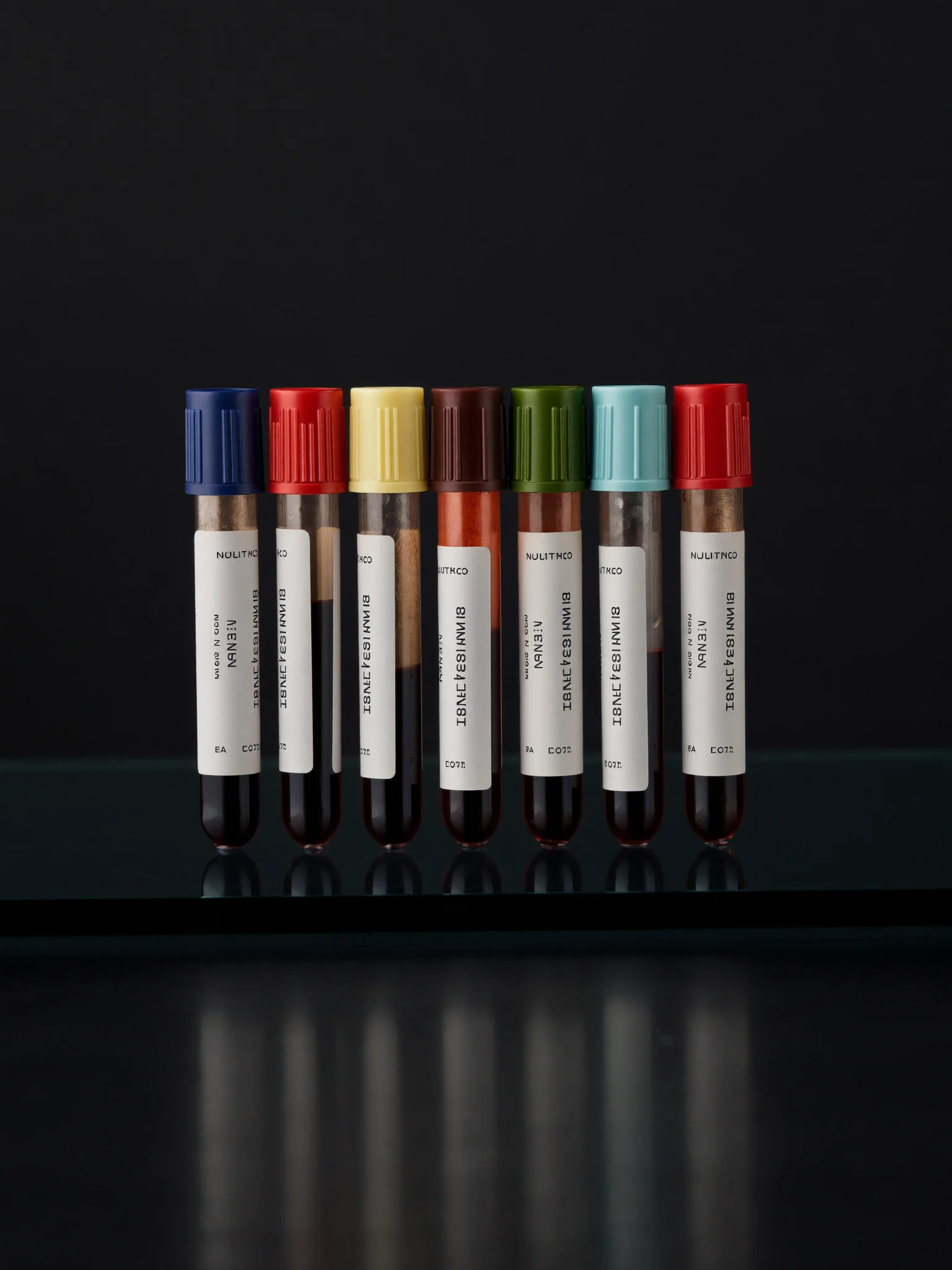
Hormonal status, vitamin D, zinc, collagen markers, and inflammatory load, all assessed before any protocol is built.
100%
Doctor-led and clinically assessed
No protocol is recommended without a proper clinical assessment and review of your blood markers. Treatment only where clinically appropriate.
From intake to protocol.
A structured clinical process, not a quick quiz. Every step has a purpose.



No GP referral required. 100% online.
Why internal biology determines skin quality.
Skin quality is a downstream output of multiple biological systems. Addressing the root causes produces more durable outcomes than surface-level treatment.
Collagen synthesis
Collagen production is regulated by hormones and nutrition. Growth factors and key nutrients directly influence the rate of new collagen formation.
Cellular turnover
The rate at which skin cells renew is influenced by metabolic function, thyroid status, and growth factor signalling, all assessable through blood testing.
Inflammatory control
Chronic inflammation accelerates skin ageing and drives conditions like adult acne. Identifying and reducing inflammatory load improves skin quality from the inside out.
Hydration and barrier function
Hormonal influences on skin hydration and lipid production are significant, particularly testosterone and DHEA levels in both men and women.

What patients say.
Patient experiences reflect individual service interactions. Clinical outcomes vary and cannot be implied or guaranteed.
Oliver K.
March 2025
First time skin health was approached as a medical question rather than a cosmetic one. The doctor identified nutritional deficiencies I wasn't aware of. Very different experience.
Nathan B.
February 2025
The blood panel revealed things my dermatologist never tested. The consultation was thorough and the doctor connected my results to what was happening with my skin clearly.
Liam T.
April 2025
Professional and evidence-based. No promises about what would happen, just a thorough clinical assessment and a protocol that made sense based on what my blood work showed.
Ask Apex.
Straight answers to the questions we get asked most. If yours isn't here, reach out directly.
Still have questions?