
Hair & Scalp Health
Hair restoration. Doctor-led.
Hair loss driven by DHT and hormonal factors responds to clinical treatment. We identify the cause through blood work, then build a protocol your doctor designs around your specific biology.
- Hormonal and DHT-focused blood panel
- AHPRA-registered doctors
- Clinically assessed, personalised protocols
AHPRA Registered · TGA Compliant · 100% Online

50%
of men experience significant hair loss by age 50

Understanding what drives hair loss.
95%
Of male hair loss is androgenetic in origin
Driven by DHT (dihydrotestosterone) interacting with genetically sensitive follicles. The mechanism is well-understood and treatable through clinical protocols.
6–12
Months for measurable follicle response
Clinical hair loss treatment requires consistency. Early intervention typically produces better outcomes. The sooner the clinical driver is addressed, the more follicles remain viable.
4,000+
Accredited collection centres for your blood work
We assess your hormonal profile before any protocol is built. Testosterone, DHT, thyroid, and nutrient markers all inform the approach.
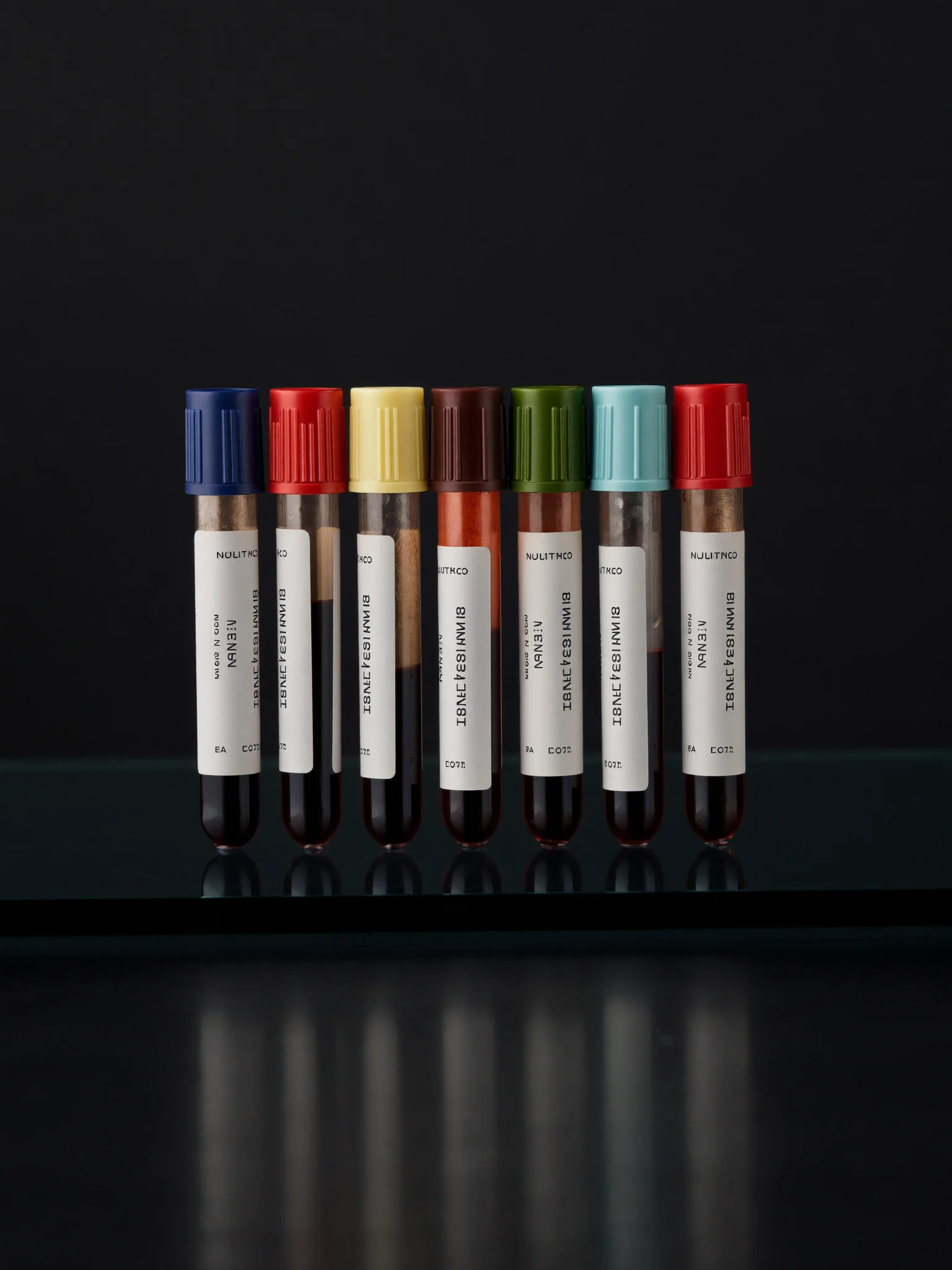
From intake to protocol.
A structured clinical process, not a quick quiz. Every step has a purpose.


No GP referral required. 100% online.
Why clinical hair loss treatment is different.
Topical products address the surface. Clinical protocols address the biological driver.
DHT pathway intervention
Androgenetic alopecia is driven by DHT binding to follicle receptors. Clinical protocols can interrupt this pathway at a systemic level.
Scalp microcirculation
Follicle health depends on adequate blood flow and nutrient delivery to the scalp. This is addressable through clinical means.
Hormonal context
Testosterone, thyroid, iron, and other hormonal factors influence hair cycle length and follicle viability. All assessed in your blood panel.
Growth factor signalling
Clinical protocols can support the molecular signals that determine whether follicles remain in the growth phase of the hair cycle.

What patients say.
Patient experiences reflect individual service interactions. Clinical outcomes vary and cannot be implied or guaranteed.
Ben A.
January 2025
Finally approached with a blood test rather than just product recommendations. The doctor actually looked at my DHT and hormonal profile before suggesting anything. That alone was different.
Matt S.
March 2025
The process felt clinical and legitimate. The consultation was thorough and the doctor explained the connection between my hormonal markers and what was happening with my hair.
Ryan C.
February 2025
Professional and actually knowledgeable. Unlike the various online platforms I'd tried before, the consultation involved a real doctor who understood the clinical side of hair loss.
Ask Apex.
Straight answers to the questions we get asked most. If yours isn't here, reach out directly.
Still have questions?